The Difference Between Antique, Vintage and Collectible

In the world of antiques, a few words are used often — antique, vintage, collectible. They’re sometimes used interchangeably, yet each carries its own meaning and history. Understanding the difference not only deepens appreciation but also helps collectors make more confident, thoughtful choices.
Whether you’re just beginning your collecting journey or refining an existing collection, knowing how these terms are defined brings clarity to what you’re holding — and why it matters.
What Is an Antique?
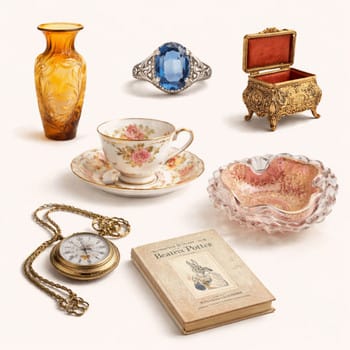
An item is generally considered an antique when it is at least 100 years old. This definition is widely recognised across the antiques world and is used by collectors, auction houses, and museums alike.
Antiques carry a sense of permanence. They have lived through eras, changing tastes, and generations of ownership. Beyond age, antiques are often valued for:
- Craftsmanship and materials
- Historical context
- Rarity or provenance
Holding an antique is, in many ways, holding a fragment of another time — something created for a world very different from our own.
What Does Vintage Mean?
Vintage sits somewhere between old and modern. Most vintage items are typically between 20 and 100 years old, though definitions can vary slightly depending on the category.
The term originally came from winemaking, referring to a particular year’s harvest. Over time, it evolved to describe objects that capture the spirit of a specific era.
Vintage pieces often reflect strong design identities:
- Mid-century glassware
- Retro jewellery
- Decorative pieces from the 1950s–1980s
They tend to feel familiar yet distinctive — recognisable reminders of recent history.
And What Is a Collectible?
A collectible isn’t defined by age alone. Instead, it’s shaped by desirability.
Collectibles can be antique, vintage, or even contemporary. What matters most is that people actively seek them out. This demand may come from:
- Limited production
- Cultural significance
- Designer or maker recognition
- Emotional or nostalgic value
Some collectibles begin modestly and grow in importance over time. Others are created with collectors in mind from the start.
Where the Lines Blur
In practice, these categories often overlap. A vintage piece may eventually become an antique. A modern object can become highly collectible. Even within the trade, context matters.
For example:
- A 1930s hand-blown glass vase may be vintage and highly collectible
- A 19th-century glass piece would be considered both antique and collectible
- A contemporary artisan work may already be collectible due to limited production
These overlaps are part of what makes collecting so fascinating — objects continue to evolve in meaning as time passes.
Why These Distinctions Matter
Understanding these terms helps collectors move beyond simply buying “old things” and toward building intentional collections.
It allows you to:
- Recognise value beyond age
- Understand pricing differences
- Identify future heirloom pieces
- Collect with greater confidence
More importantly, it shifts the focus from labels to appreciation — seeing each object within its own story and timeline.
Collecting with Perspective
Many collectors find that once these distinctions become clear, their approach changes. Instead of chasing age alone, they begin to look for character, craftsmanship, and emotional resonance.
An antique may offer depth and history.
A vintage piece may bring design clarity.
A collectible may hold personal meaning or future significance.
Each plays its own role within a collection.
A Thoughtful Way to Begin
If you’re starting your collecting journey, don’t feel pressured to choose one category over another. Some of the most interesting collections blend all three — layered, evolving, and deeply personal.
Over time, preferences naturally refine. You may find yourself drawn to certain eras, materials, or makers. That evolution is part of the joy of collecting.
And perhaps that’s the most meaningful distinction of all: not the label attached to an object, but the connection it creates. The pieces we keep are rarely defined by a single word. They are defined by the stories they carry forward.