
How to Care for Silver: Antique, Vintage and Everyday Pieces
Whether it's antique, vintage or modern, silver deserves thoughtful care. Discover simple tips to help preserve its beauty, protect its finish and enjoy it for generations to come.

Silver has long been treasured for its beauty, craftsmanship and ability to mark life's special moments. Whether it's an antique tea service passed down through generations, a vintage picture frame discovered at a country market or a contemporary silver bowl used every day, each piece deserves thoughtful care.
Unlike many household objects, silver changes over time. It develops a gentle patina, reflects the hands that have held it and quietly records its own history. While it's tempting to polish away every sign of age, a softer approach is often the best way to preserve both its beauty and its story.
For centuries, silver has been a symbol of celebration and hospitality. From elegant Georgian tea services to Victorian candlesticks and modern heirlooms, these pieces were created not only to be admired but to be used and enjoyed. By caring for them thoughtfully today, we help ensure their stories continue for generations to come.
Understand What You Have
Before reaching for a polishing cloth, take a moment to understand the piece in front of you. Sterling silver is made from 92.5% pure silver and is often marked "925", "Sterling" or with traditional hallmarks. Silver-plated pieces have a thin layer of silver over another metal and require a lighter touch, as excessive polishing can gradually wear away that delicate surface.
If you're unsure what you have, don't be discouraged. Learning to identify silver is one of the pleasures of collecting, and every hallmark or maker's stamp tells part of its story.
Dust Before You Polish
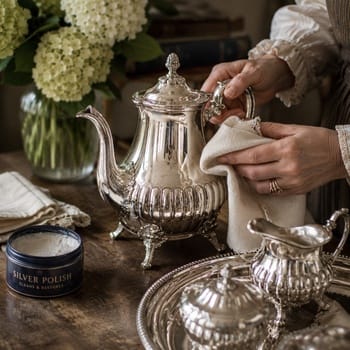
One of the kindest things you can do for silver is also the simplest. Regular dusting with a soft, lint-free cloth removes everyday dust and fingerprints before they become a problem.
Many pieces need little more than this. Frequent polishing isn't a sign of good care; in fact, polishing too often can do more harm than good. Gentle maintenance will usually preserve both the finish and the character of the piece.
Tarnish Tells a Story
Silver naturally reacts with sulphur in the air, gradually forming a darker surface known as tarnish. While many people see tarnish as something that must be removed immediately, collectors often appreciate a soft, even patina. It gently defines engraved patterns, enhances decorative details and reflects the passage of time.
Surprisingly, using your silver regularly can actually help keep tarnish at bay. Gentle handling and careful washing remove the natural oils and sulphur deposits that contribute to tarnishing. Just remember to wash silver soon after serving foods such as eggs, vinegar or other highly acidic ingredients, as prolonged contact can encourage tarnishing.
Not every piece needs to gleam like new. Sometimes, the quiet elegance of aged silver is exactly what makes it so appealing.
Polish Only When Necessary
When silver does require polishing, choose a quality silver polish and a soft cotton cloth. Work patiently and avoid vigorous rubbing, particularly on detailed or decorative areas.
Silver-plated pieces deserve extra care because each polishing removes an almost invisible amount of silver. Over many years, excessive polishing can gradually reveal the underlying metal, something that cannot easily be reversed.
Avoid Quick Fixes
The internet is full of clever cleaning tricks involving baking soda, aluminium foil and various household products. While these methods may produce dramatic results, they are not always suitable for antique or vintage silver.
Abrasive cleaners, bleach and rough scouring pads can permanently damage the surface or remove the very patina that collectors value. When in doubt, the gentlest option is usually the safest.
Store Silver Thoughtfully
Silver is happiest in a clean, dry environment where humidity is kept to a minimum. If pieces are stored for long periods, wrap them individually in acid-free tissue paper or anti-tarnish cloth to slow the natural tarnishing process.
Avoid stacking silver directly together, as even small movements can leave fine scratches that become more noticeable over time.
Use It and Enjoy It
One of the greatest misconceptions about silver is that it should be hidden away for fear of damaging it. In reality, silver was made to be part of everyday life. A pair of candlesticks on the dining table, a silver photograph frame on a bookshelf or a serving spoon used for Sunday lunch all bring a quiet sense of occasion to ordinary moments.
Objects that are appreciated and cared for often survive far longer than those forgotten in cupboards.
Know When to Ask for Help
Not every problem can be solved with a polishing cloth. Loose handles, broken solder joints, missing parts or significant corrosion should be assessed by a professional conservator rather than repaired at home.
Equally important is recognising when to leave a piece alone. The small marks left by decades of careful use are often part of its history and should be respected rather than erased.
Silver has a remarkable way of connecting generations. It may remind us of family celebrations, treasured gifts or discoveries made in antique shops and weekend markets. By caring for these pieces thoughtfully rather than striving for perfection, we help preserve not only the object itself but also the stories it carries.
After all, silver isn't simply something we own. It's something we look after until it's ready to be enjoyed by the next generation.
May your silver continue to be treasured for generations to come.